

Stepping into a management role for the first time is often a bit of a shock to the system. For many of us, we get promoted because we were excellent at our technical jobs. Whether you were the best engineer, the most efficient administrator, or the most creative designer, the reward is often a seat at the management table. However, the skills that made you a great technical expert are rarely the same ones you need to manage a diverse team of personalities, budgets, and shifting organisational priorities.
This is where the value of a formal management qualification becomes incredibly clear. Many professionals find themselves “winging it” for years, relying on intuition rather than established frameworks. While intuition is valuable, it can only take you so far when you are faced with complex conflict resolution or strategic planning. Deciding to enrol in a CMI Course is often the turning point where a manager stops reacting to problems and starts leading with a clear, evidence-based strategy.
What makes a CMI Course different from other training
The Chartered Management Institute (CMI) is the only chartered professional body in the UK dedicated to management and leadership. Unlike a generic internal training day or a short workshop, these courses are regulated and recognised globally. They are designed to bridge the gap between theoretical knowledge and the practical realities of the modern workplace. When you study for a CMI qualification, you aren’t just reading textbooks; you are learning how to apply proven management theories to your specific working environment.
One of the most significant advantages of this path is the flexibility it offers. The CMI framework is broken down into various levels and sizes, meaning you can tailor your learning to fit your current workload and career aspirations. You can choose between:
- Award: A short, focused qualification covering a specific area of management.
- Certificate: A broader programme that provides a foundation across several core management subjects.
- Diploma: A comprehensive qualification that covers a wide range of leadership and management skills in depth.
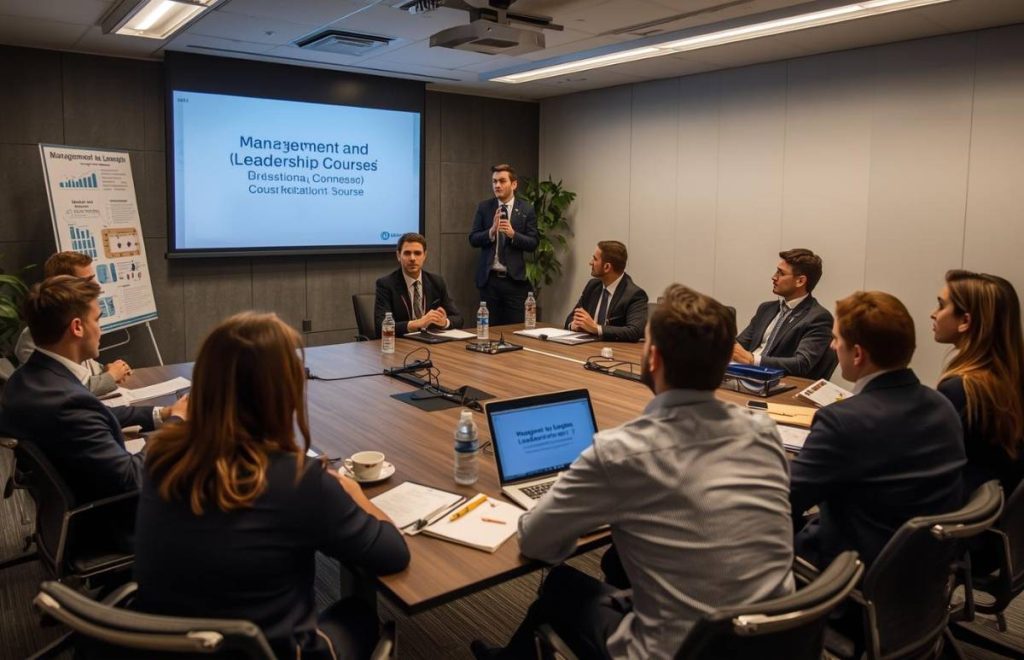
Understanding the different levels of qualification
Choosing the right level is crucial to ensuring you get the most out of your studies. The levels are generally aligned with your current position or the role you are aiming for in the near future. It is a common misconception that you have to start at Level 1 and work your way up; instead, you should jump in at the level that matches your professional experience.
Level 3: For aspiring or first-line managers
This level is perfect for those who are just starting their management journey or are looking to move into their first supervisory role. It focuses on the day-to-day essentials of managing a team, such as monitoring performance, organising schedules, and ensuring that tasks are completed efficiently. It helps new managers build the confidence to give feedback and handle the transition from being a peer to being a supervisor.
Level 5: For middle managers
Level 5 is often considered the benchmark for established managers who have responsibility for departments or larger teams. At this stage, the focus shifts from just managing tasks to managing people and resources more strategically. You will look at things like project management, financial oversight, and how to lead through change. It is about becoming more effective at a departmental level and understanding how your team contributes to the wider goals of the business.
Level 7: For senior and strategic leaders
This is the highest level of CMI qualification and is designed for senior managers and directors who have the authority to shape organisational strategy. The curriculum at this level is much more focused on high-level leadership, corporate culture, and long-term vision. It challenges you to think about how the organisation functions as a whole and how to navigate the complexities of modern business on a larger scale.
The practical benefits of CMI membership
Enrolling in a course doesn’t just give you a certificate at the end; it also grants you access to a wealth of professional resources. Being a member of the CMI provides a support network that many managers find indispensable. During your studies and beyond, you gain access to several tools that can help you solve real-world problems in real-time.
- ManagementDirect: An online portal filled with thousands of videos, checklists, and articles on every management topic imaginable.
- Networking Opportunities: Access to events and webinars where you can connect with other professionals across different industries.
- Mentoring: The ability to find a mentor or eventually become one, helping to foster a culture of continuous improvement.
- Career Development: Tools to help you track your CPD (Continuing Professional Development) and plan your next career move.
The path toward becoming a Chartered Manager
Perhaps the most prestigious outcome of pursuing a CMI qualification is the opportunity to become a Chartered Manager (CMgr). This is the highest status that can be achieved in the management profession. It is a mark of excellence that demonstrates to employers, clients, and colleagues that you are a highly competent leader who is committed to ethical practice and continuous learning.
To become a Chartered Manager, you typically need to demonstrate how you have applied your management skills to achieve significant results within your organisation. It isn’t just about what you know; it’s about what you have actually done. Many people find that completing a CMI Diploma provides the perfect foundation for the Chartered Manager assessment, as it helps them document their achievements and reflect on their leadership style in a structured way.
Balancing your studies with a full-time job
One of the biggest hurdles for any professional is finding the time to study. Most people looking into a CMI Course are already busy, often balancing demanding roles with personal commitments. Fortunately, the way these courses are delivered has evolved significantly. You no longer need to spend every Tuesday night in a cold classroom at a local college.
Modern delivery methods include online learning, blended learning, and intensive workshops. This allows you to progress at your own pace. Because the assignments are based on your own workplace, the “study” often feels like an extension of your job. You are encouraged to use your own company as a case study, meaning the work you do for your qualification can actually help you solve problems at your desk the very next morning. This synergy between learning and doing is what makes the CMI route so effective for working professionals.
The impact on your long-term employability
In an increasingly competitive job market, having a recognised professional qualification can be the difference between getting an interview and being overlooked. Employers are looking for more than just experience; they want evidence that a manager is up-to-date with current best practices and is committed to their own professional growth. A CMI qualification on your CV sends a strong signal that you take your role seriously and that you have been assessed against national standards.
Beyond the CV, the internal change is often the most profound. Managers who have completed these courses report feeling less stressed and more in control. When you have a toolkit of techniques to deal with a difficult conversation or a complex project, the job becomes much more manageable. You start to see the bigger picture, understand the “why” behind business decisions, and become a more valuable asset to your organisation.

Abbey is a healthcare writer with a focus on elderly care, dementia support, and patient well-being. She explores best practices in nursing care, home support, and strategies for improving quality of life for those in need.